
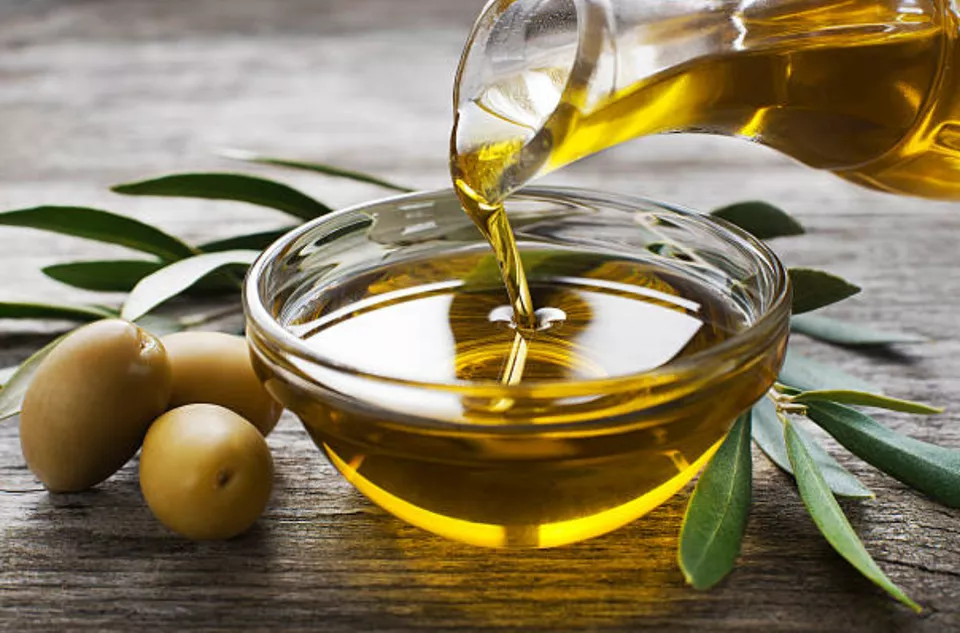
Discovering New Olive Oil: The Empordà's New Olive Oil Harvest
Between mid-October and early December the olives come off the trees in the Empordà. A few weeks later the new oil reaches Girona.
An oil with its own protected name
The olive oil of the Empordà carries its own Protected Designation of Origin, covering 115 municipalities across four counties. Of around 2,000 hectares of olive trees in the area, some 900 are registered with the denomination, and the oil is pressed at six certified mills. Protection was granted in 2008, and the name entered the European register in 2015.
What makes it distinctive is one local variety: argudell. The rules require it to make up at least half of any oil carrying the name, and it is argued that gives the oil its character — a balanced, green-fruited oil with a bitterness and a peppery kick that you feel at the back of the throat. Tasters describe freshly cut grass and walnut, sometimes a hint of artichoke, and an almond finish. Alongside it you will find curivell, Cadaqués law and arbequina.
Why the Tramuntana matters
Anyone who has spent a winter here knows the tramuntana, the north wind that comes down off the mountains and refuses to let go. For olive growers it is more than a nuisance: a few days of strong wind can strip the fruit straight off the branch.
So they pick early, while the olives are still green. It costs them yield, because green fruit gives less oil per kilo, but it rewards them in flavor. Green olives are richer in polyphenols, and polyphenols are where the bitterness, the pepper and the keeping quality come from. It also means the oil changes as the season goes on. Press it early and you get something vivid and grassy, greenish in the glass. Press it later and it turns softer, sweeter, more golden. Taste both in the same month and you would hardly guess they came from the same groves.
A harvest that keeps arriving earlier
Ask any grower here and they will tell you the same thing: the harvest used to start in November. Not anymore. In 2021 it began in early October because of the heat, and in 2024 it was expected in the middle of that month again. One warm autumn is an anomaly. Several in a row is a pattern, and the growers are already planning around it.
The past few years have been hard in another way too. Drought cut the harvest dramatically — in 2023 the denomination produced only about 70,000 liters, roughly a quarter of a normal year's 250,000. The following season recovered to just over 100,000, better but still thin. What saved those years was quality. A small harvest concentrates everything the fruit has, and some of the finest oil of the past decade came out of the leanest seasons.
Older than the vineyards
Olives have been growing here for a very long time. Stones found in the Empordà date back to the end of the Bronze Age, although cultivation is usually credited to the Greeks, who sailed in during the sixth century BC and founded Empúries and Roses. Ever since, the olive trees and the vines have shared the same thin, stony ground — granite, slate and clay on the slopes of the Albera and Rodes in the north, the Montgrí and the Gavarres in the south.
When the new oil comes to Girona
Every December the denomination brings the new harvest into the city. Producers set up outside the Mercat del Lleó on a Saturday morning, from ten until two, pouring and selling the year's oil directly. Bread comes from the Girona artisan bakers' guild, the mills together donate a hundred liters to the food bank, and restaurants around the city put the new oil on their tables for the month. Figueres holds its own presentation a week or two earlier.
The date changes each year and is announced towards the end of November, so it is worth checking before you plan your visit.
If you would like to taste the flavors of this region with a local guide who knows where they come from, come and join us. And if you are traveling as a group or would prefer something built around your own interests, take a look at our private and custom tours. We would love to show you our Empordà.